
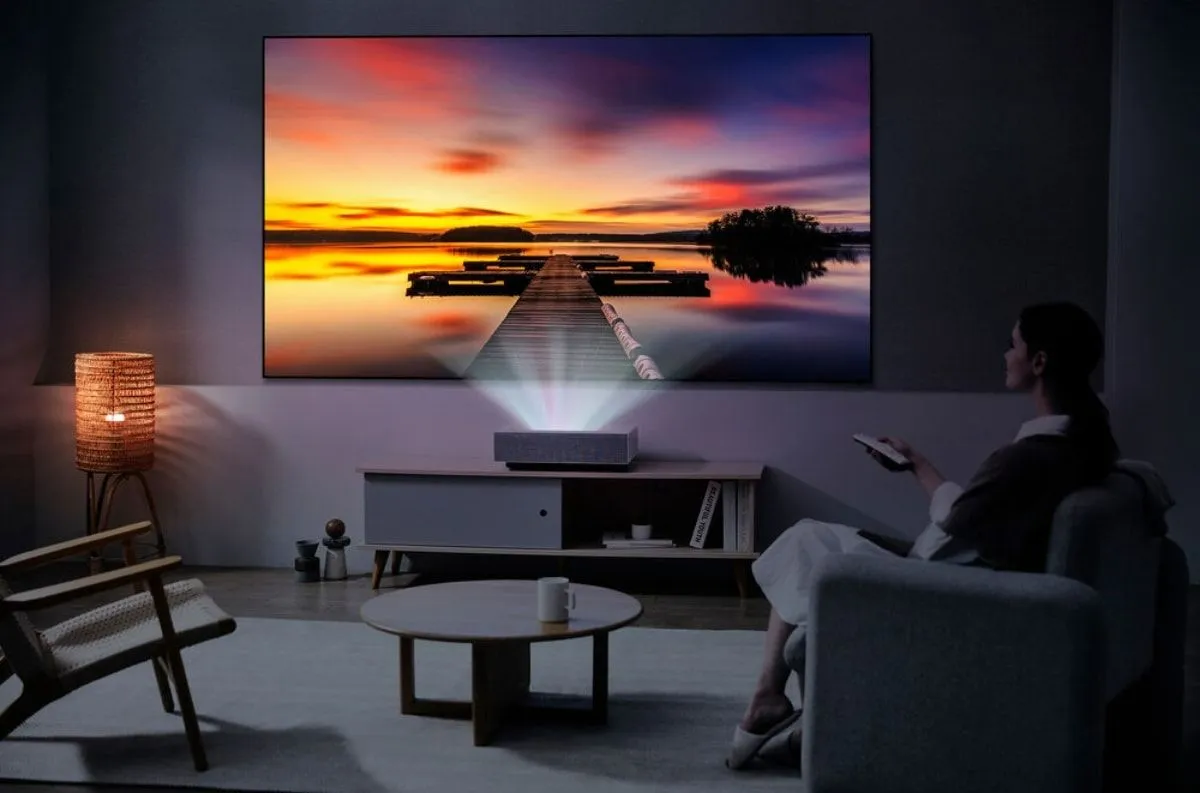
Display technology has advanced steadily, and many screens can now render a wide color range and fine detail. The viewing experience, however, depends on more than the display alone. The streaming method behind a video often determines how much of that detail actually reaches the screen.
This article looks at three technical factors that shape streaming quality: data rate and compression, adaptive delivery, and hardware decoding. The goal is to explain how these elements interact, then describe how they apply to one membership-based option. A high resolution label does not, on its own, describe how a video will look. Several technical variables sit behind the final image, which helps explain why two files marked "4K" can appear quite different.
Bitrate and Compression
Resolution counts the number of pixels in a frame. Bitrate measures how much data is processed each second. A file labeled 4K but compressed heavily can still show color banding, blocky shadows, or motion blur in fast scenes. Higher-bitrate encoding, paired with modern codecs, keeps more of the detail from the original recording intact.

Adaptive Bitrate Streaming and Content Delivery
Network speed changes throughout a session. Older delivery methods often paused to buffer when bandwidth dropped. Adaptive bitrate streaming (ABR) handles this differently. It splits a video into short segments encoded at several quality levels, then selects the level that suits current conditions. Content Delivery Networks (CDNs) support this by storing data on servers closer to the viewer, which reduces the time before playback begins and helps maintain steady quality.
"A high-resolution label doesn't describe how a video will look — bitrate and decoding do."
Hardware Decoding and Device Optimization
A device must process a video stream efficiently to avoid dropped frames or higher battery use. Players that are tuned for specific hardware can decode content more smoothly. This applies across a desktop processor, a mobile graphics chip, and the dual-lens display systems used in virtual reality (VR) headsets.
How Curated Networks Differ From General Platforms
Many general streaming pages run on shared, lower-cost infrastructure built for high volume rather than consistent quality. The results can vary: uneven detail in darker scenes, mixed production standards, and interfaces that include tracking scripts or advertisements. For viewers using higher-end displays, recent smartphones, or VR equipment, a general platform may not deliver the full output the hardware supports. A network built specifically for higher-quality delivery is one alternative for those who want playback that matches their equipment.
A Membership Built for Higher-Quality Playback
A curated digital media membership applies the organized structure of mainstream media platforms to digital entertainment. A paid membership plan provides access to a large catalog of curated media titles. The library is built around high-definition playback streams and is presented with a simplified interface described in the provider terms, which supports continuous playback. The platform supports multiple devices, with synchronization and playback across desktops, smartphones, and VR headsets. It is designed around user choice and privacy. Registration uses account setup options, and billing details are shown during checkout and should be reviewed before purchase.